

Fashion News
Keep Your Hawaiian Shirt Looking New

Mar
A Hawaiian shirt is designed to stand out, with vibrant prints and lightweight fabrics that instantly create a relaxed, stylish look. However, these same qualities also make the shirt more sensitive to everyday wear and washing. Without proper care, colors can quickly fade, fabrics may shrink, and the shirt can lose the soft, breezy feel that makes it so appealing. Taking the time to care for your Hawaiian shirt correctly not only preserves its visual impact but also ensures it remains comfortable and wearable for years. A well-maintained shirt continues to look fresh, allowing you to enjoy that effortless tropical vibe every time you put it on.
Understanding Hawaiian Shirt Fabrics
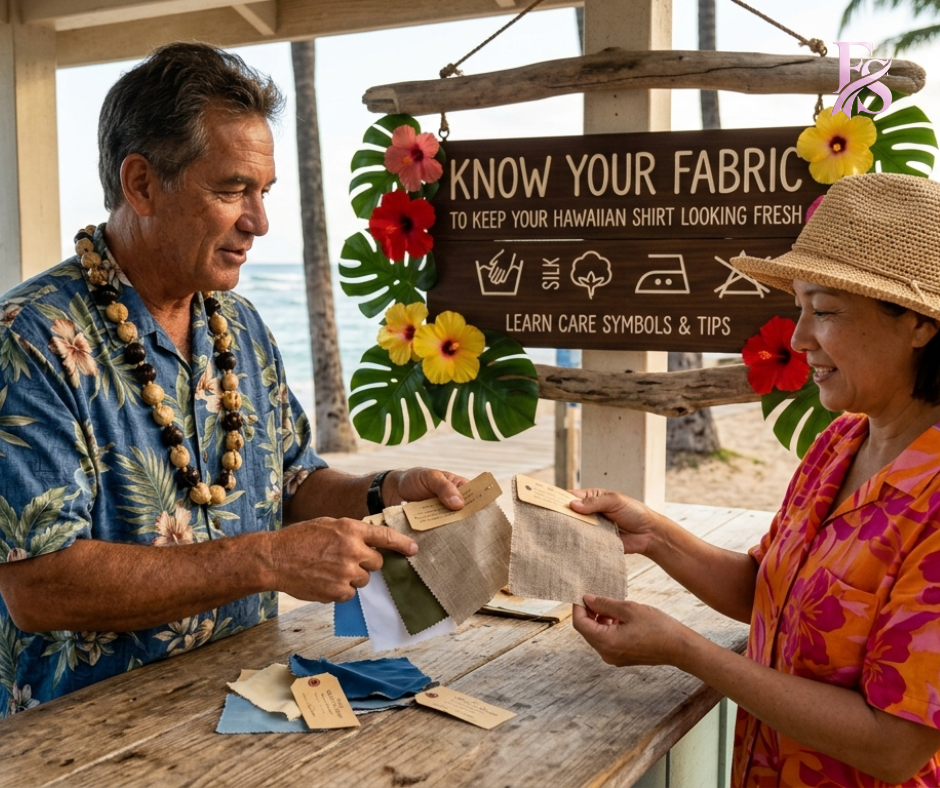
Before developing a care routine, it is important to understand the fabric your Hawaiian shirt is made from, as this determines how it should be handled. Rayon, one of the most popular materials, is known for its silky texture and fluid drape, but it is also delicate and requires gentle washing and drying. Cotton offers a more natural feel and is slightly more durable, making it easier to maintain while still being breathable and comfortable. Polyester blends, on the other hand, are more resistant to wrinkles and wear, making them a practical option for everyday use. Each fabric responds differently to water temperature, detergent, and drying methods, which is why identifying the material is the first step toward proper care.
Fabric Comparison Guide
| Fabric Type | Texture & Feel | Durability | Care Sensitivity | Best Care Approach |
|---|---|---|---|---|
| Rayon | Soft, silky, lightweight | Low | High | Hand wash, air dry |
| Cotton | Natural, breathable | Medium | Moderate | Machine wash cold, gentle cycle |
| Polyester | Smooth, slightly firm | High | Low | Machine wash, low heat |
This comparison highlights how fabric choice influences your care routine. While polyester can handle more frequent washing, rayon requires a much gentler approach to maintain its original look and feel.
Washing Hawaiian Shirts the Right Way
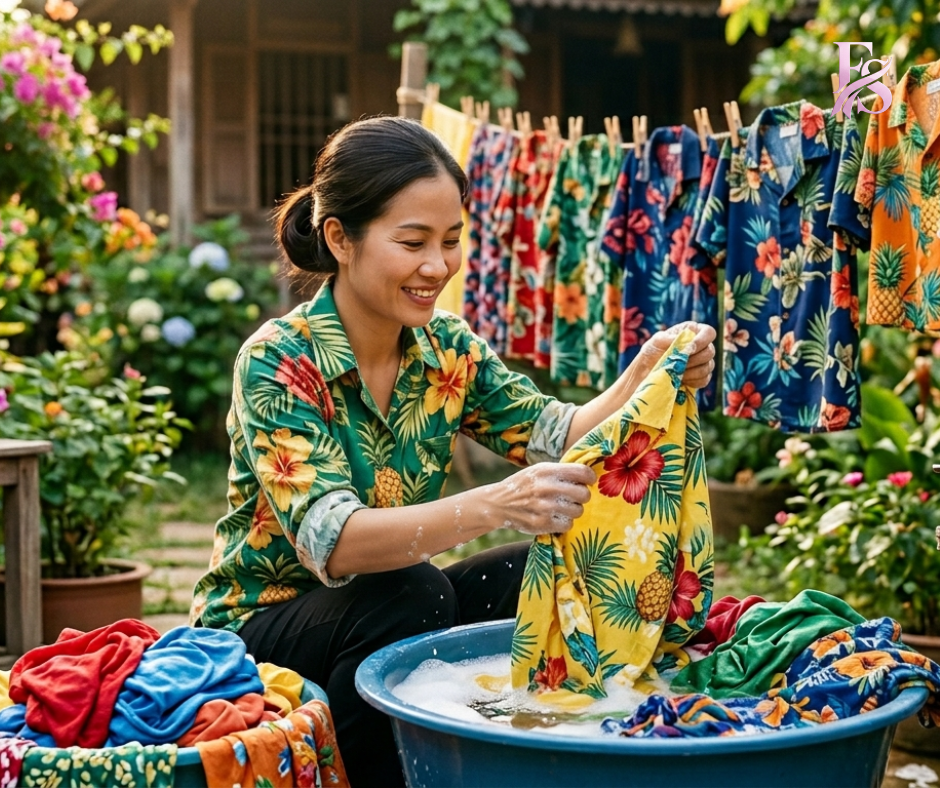
Proper washing is the foundation of maintaining a Hawaiian shirt’s color and structure. The process should always begin by turning the shirt inside out, which helps reduce friction on the printed surface during washing. Using cold water is essential because heat can damage fibers and lead to unwanted shrinkage, especially in rayon and cotton fabrics. A mild detergent is recommended, as strong chemicals can gradually strip away the shirt’s vibrant colors and softness.
Even when using a washing machine, selecting a gentle or delicate cycle makes a noticeable difference. It reduces the stress placed on the fabric, helping the shirt retain its shape over time. Washing with similar colors is equally important, as it prevents color bleeding that could dull the shirt’s bold design. These small adjustments in your washing routine can significantly extend the life of your Hawaiian shirt.
Drying Methods and Their Impact
| Drying Method | Effect on Fabric | Risk Level | Recommendation |
|---|---|---|---|
| Air Drying | Maintains shape and color | Low | Best option |
| Tumble Dry (Low Heat) | Slight wear over time | Medium | Acceptable occasionally |
| High Heat Drying | Shrinkage and fading | High | Avoid completely |
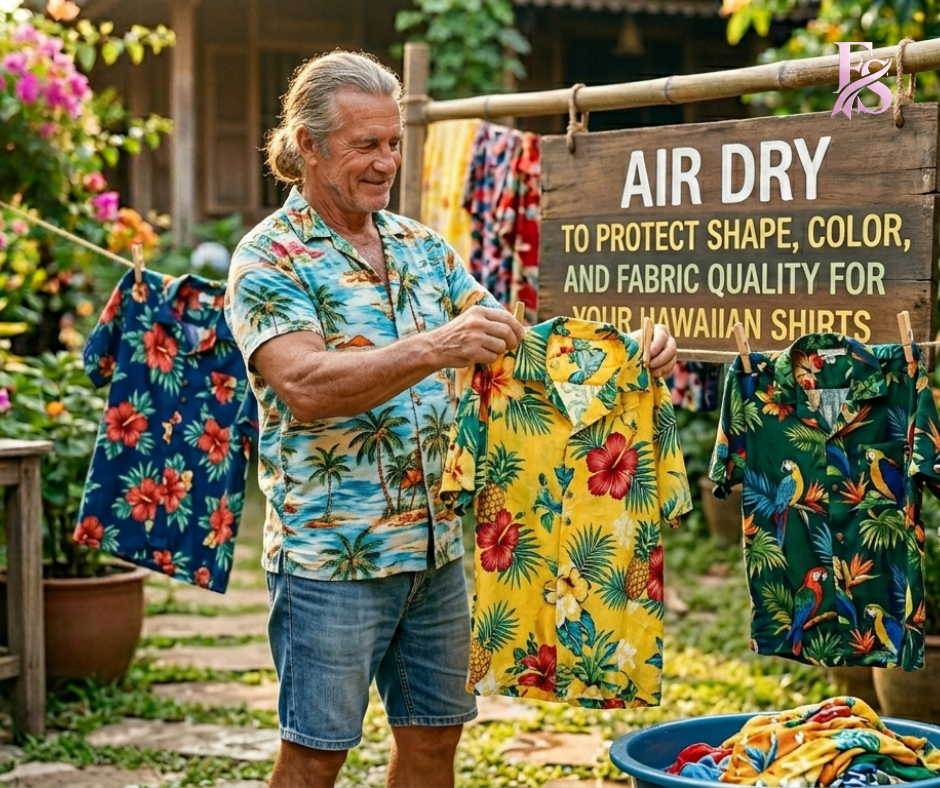
Drying is often where the most damage occurs. Air drying is the safest and most effective method, as it allows the shirt to maintain its natural shape without exposing it to heat stress. Hanging the shirt properly while it dries also helps minimize wrinkles, reducing the need for ironing. If a dryer must be used, keeping the heat low is essential, though it should never be the default method. High heat, in particular, can quickly ruin both the fabric and the print, making it something to avoid entirely.
Managing Wrinkles Without Damaging Fabric
Wrinkles can affect the overall appearance of a Hawaiian shirt, but handling them incorrectly can cause more harm than good. Instead of using high heat, which can weaken delicate fibers, a low-temperature iron or a steamer provides a much safer solution. Steaming is especially effective because it relaxes the fabric without direct pressure, helping maintain the shirt’s natural drape. Another simple method is hanging the shirt in a humid environment, such as a bathroom during a hot shower, allowing wrinkles to ease out naturally. These gentle approaches ensure the shirt looks polished while preserving its quality.
Proper Storage for Long-Term Care
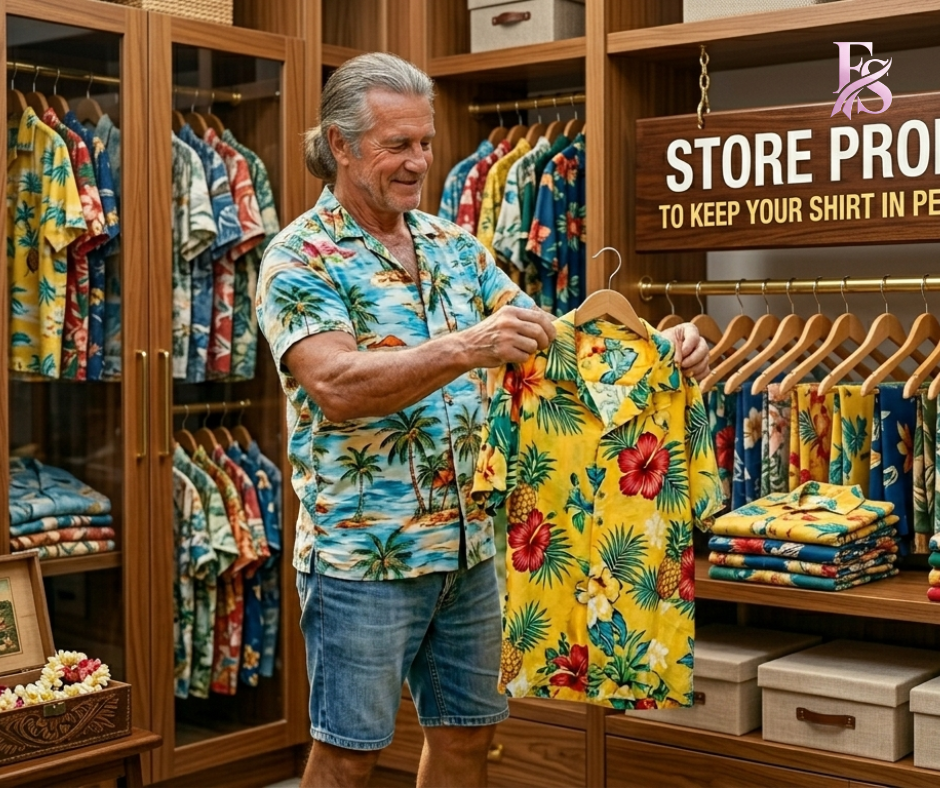
Storing your Hawaiian shirt correctly is just as important as washing and drying it. Keeping it on a sturdy hanger helps maintain its structure and prevents unnecessary creasing. Overcrowding in a closet should be avoided, as pressure from other garments can distort the fabric over time. For those who travel frequently, folding the shirt neatly is a practical option, but it should be done carefully to minimize wrinkles. A cool, dry storage environment is ideal, as it prevents moisture buildup that can damage the material.
Final Thoughts
Caring for a Hawaiian shirt is ultimately about consistency and attention to detail rather than complicated routines. By understanding the fabric, washing it gently, avoiding high heat during drying, and storing it properly, you can preserve both its vibrant appearance and comfortable feel. These small but effective habits ensure that your Hawaiian shirt continues to deliver the same bold, relaxed style that made you love it in the first place, season after season.
